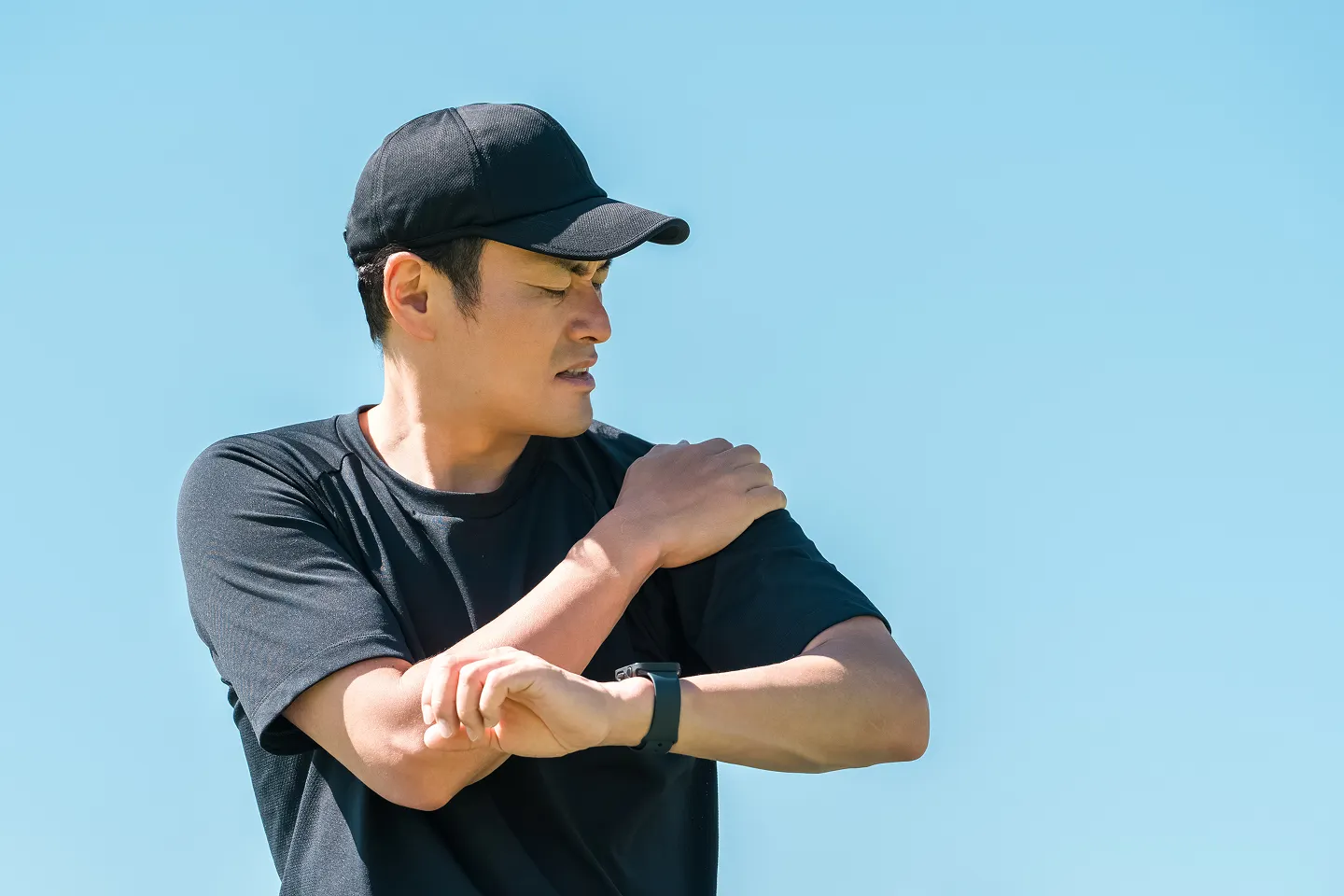
The shoulder is one of the most mobile joints in the body, allowing a wide range of motion — but that flexibility also makes it vulnerable to injury. Among shoulder problems, rotator cuff injuries are among the most frequent causes of pain, weakness, and limited mobility.
According to Dr. Rahul Jain, Consultant Orthopaedic Surgeon, understanding rotator cuff conditions helps patients seek timely treatment and prevent chronic shoulder dysfunction.
What Is the Rotator Cuff?
The rotator cuff is a group of four muscles and their tendons that stabilize the shoulder joint and enable smooth movement. These muscles — the supraspinatus, infraspinatus, teres minor, and subscapularis — form a “cuff” around the upper arm bone (humerus).
When the rotator cuff is healthy, you can lift, rotate, and reach with ease. However, repetitive motion, strain, or injury can cause inflammation or tearing of these tendons, leading to shoulder pain and weakness.
Common Rotator Cuff Injuries
1. Rotator Cuff Tendinitis
This condition refers to inflammation of the tendons in the rotator cuff, often due to overuse. It’s commonly seen in athletes (especially swimmers and tennis players) or people with jobs that require repetitive arm movements.
Symptoms Include
- Dull ache or pain that worsens with overhead activity
- Shoulder stiffness, especially in the morning
- Tenderness or swelling around the joint
- Difficulty reaching behind the back
Causes
- Repetitive shoulder movements
- Poor posture or muscle imbalance
- Age-related wear and tear
2. Rotator Cuff Tear
A tear occurs when one or more of the rotator cuff tendons are partially or completely torn away from the bone. This can happen suddenly due to an injury, or gradually due to degeneration.
Types of Tears
- Partial tear: Tendon is damaged but not fully detached.
- Complete tear: Tendon is fully separated from the bone.
Common Symptoms
- Sharp pain after a fall or sudden movement
- Weakness when lifting or rotating the arm
- Limited range of motion
- Clicking or popping sounds with movement
Risk Factors
- Aging (degenerative changes after 40 years)
- Heavy lifting or trauma
- Repetitive overhead activities (sports, painting, carpentry)
3. Shoulder Impingement Syndrome
This occurs when the rotator cuff tendons become “pinched” between the shoulder bones during movement. It often develops gradually and can lead to tendinitis or tears if untreated.
Symptoms Include
- Pain when raising the arm overhead
- Discomfort while lying on the affected side
- Weakness or loss of strength
- Stiffness or a catching sensation
Contributing Factors
- Poor shoulder mechanics or posture
- Bone spurs that narrow the space in the joint
- Repetitive stress from sports or physical work
Diagnosis of Rotator Cuff Injuries
Dr. Rahul Jain emphasizes that a precise diagnosis is key to effective treatment. Evaluation typically includes:
Clinical Examination: Assessing pain, range of motion, and strength.
Imaging Tests
- X-ray: To rule out bone abnormalities.
- Ultrasound: To check soft tissue inflammation or partial tears.
- MRI: Provides detailed visualization of tendon injuries and muscle condition.
Treatment Options
Treatment depends on the severity of the injury and the patient’s activity level.
1. Non-Surgical Management
Mild to moderate cases often respond well to conservative treatments such as:
- Rest and activity modification
- Cold compress or ice packs to reduce inflammation
- Physical therapy to strengthen shoulder muscles and restore flexibility
- Medications like anti-inflammatory drugs (NSAIDs)
- Corticosteroid injections for persistent inflammation
2. Surgical Treatment
If the injury is severe or does not improve with conservative care, surgery may be required. Options include:
- Arthroscopic repair: Minimally invasive technique to reattach torn tendons.
- Open surgical repair: For larger or complex tears.
- Shoulder decompression: Removes bone spurs to relieve impingement.
Rehabilitation post-surgery includes a structured physiotherapy plan to restore mobility and strength.
Recovery and Rehabilitation
Rehabilitation is essential for successful healing. The recovery timeline varies based on the type of injury and treatment approach:
- Mild tendinitis: 4–6 weeks with rest and therapy
- Partial tears: 2–3 months with guided physiotherapy
- Surgical repair: 4–6 months for full recovery
Consistency with physical therapy and adherence to the surgeon’s advice ensures the best outcome and helps prevent re-injury.
Preventing Rotator Cuff Injuries
- Warm up before physical activity
- Strengthen shoulder and upper back muscles
- Maintain good posture, especially during desk work
- Avoid lifting heavy weights overhead
- Listen to your body — rest when you feel shoulder discomfort
Early intervention and regular strengthening can help keep your shoulders healthy and functional for years to come.
FAQs On Rotator Cuff Injuries
1. Can a rotator cuff injury heal without surgery?
Yes, many mild cases improve with rest, physiotherapy, and anti-inflammatory medication. Surgery is considered for severe tears or persistent pain.
2. How can I tell if my shoulder pain is from a rotator cuff problem?
If you have pain lifting your arm, weakness, or discomfort when sleeping on your shoulder, it’s best to consult an orthopaedic specialist for evaluation.
3. Are rotator cuff tears common in athletes?
Yes, especially in sports involving overhead motion like tennis, baseball, or swimming.
4. What happens if a rotator cuff tear is left untreated?
It can worsen over time, leading to chronic pain, stiffness, and even shoulder arthritis.
5. How soon can I return to sports after rotator cuff surgery?
Most patients resume light activity after 3 months, with full sports recovery typically around 6 months under medical supervision.
Regain Strength and Mobility with Expert Orthopaedic Care
Shoulder injuries can limit daily activities and impact your quality of life. The good news is that with accurate diagnosis, timely treatment, and dedicated rehabilitation, most rotator cuff injuries can heal effectively.
Dr. Rahul Jain, a leading Consultant Orthopaedic Surgeon, specializes in diagnosing and treating shoulder conditions, including rotator cuff tears, tendinitis, and impingement. With a patient-centered approach and advanced treatment techniques, he helps restore comfort, strength, and full shoulder function.
Consult Dr. Rahul Jain Today
Take the first step toward pain-free shoulder movement. Schedule your consultation with Dr. Rahul Jain to receive expert care and personalized treatment for lasting recovery.
Our Location
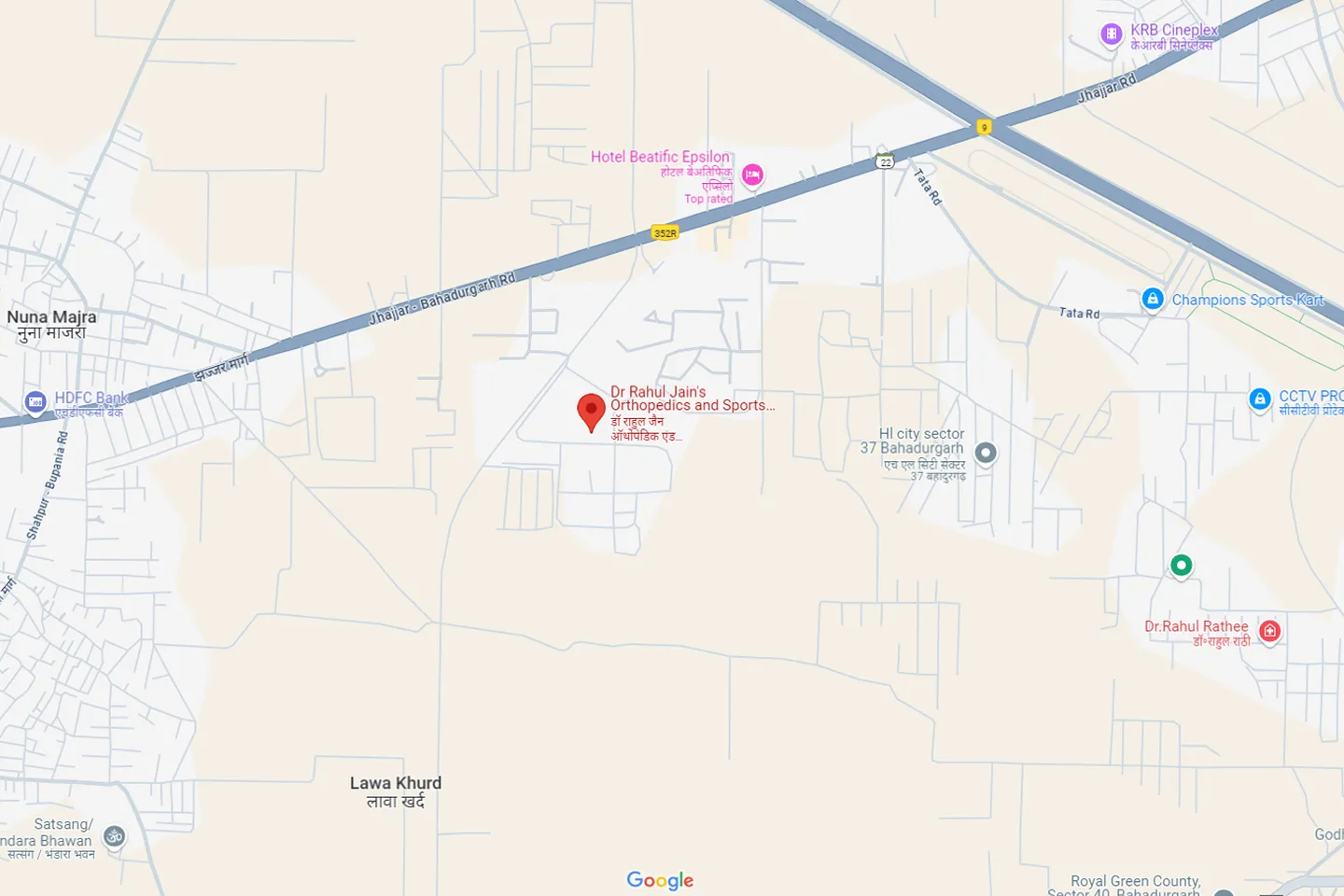
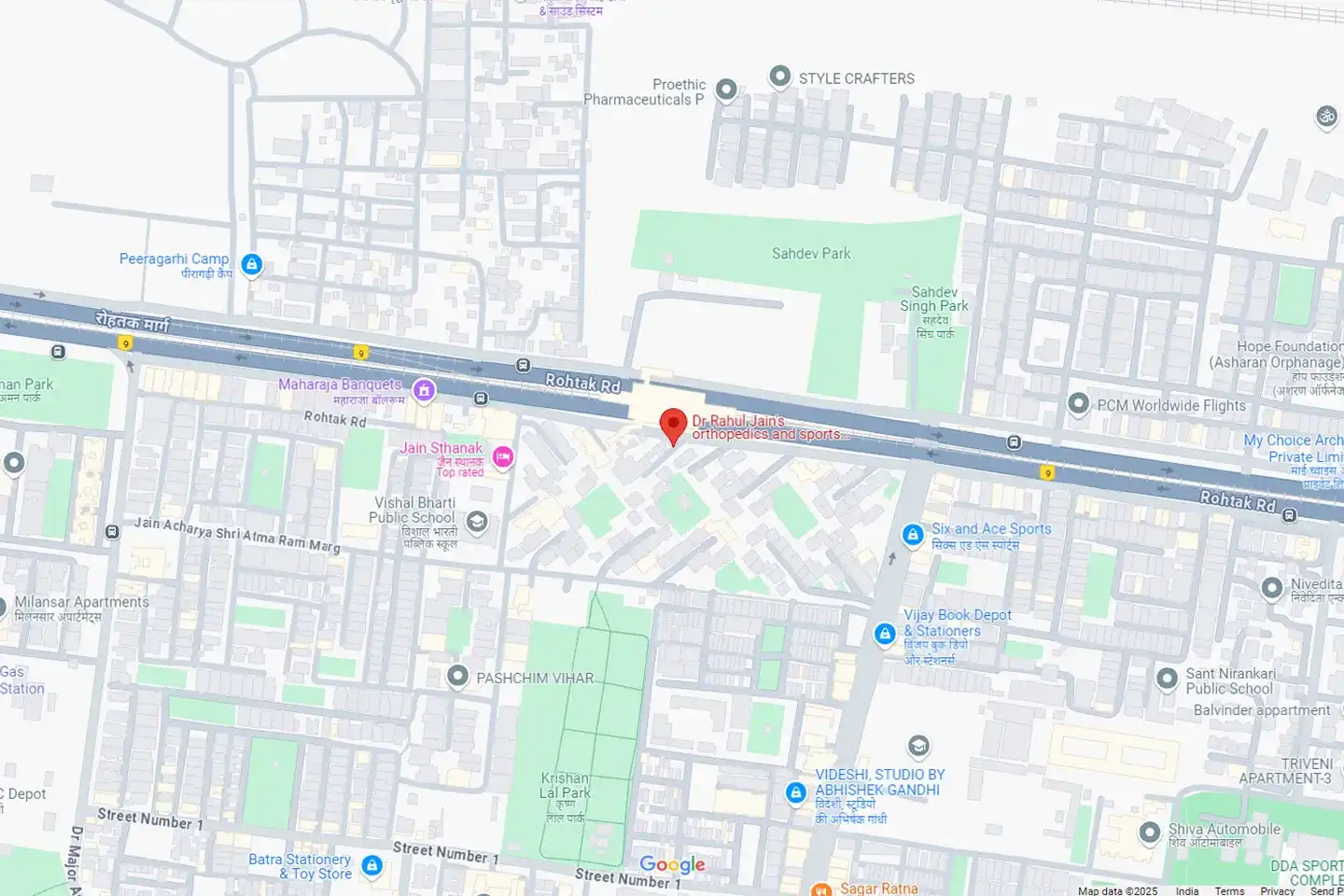
Find expert orthopedic care near you. Dr. Rahul Jain’s clinic is conveniently located to serve patients with advanced treatment, personalized attention, and compassionate care.