Introduction
The knee joint relies on strong ligaments for stability, balance, and smooth movement. One of these important structures is the posterior cruciate ligament (PCL), which plays a key role in keeping the knee stable during walking, running, and daily activities. Although PCL injuries are less frequently discussed than ACL injuries, they can still lead to pain, instability, and difficulty with movement if not properly addressed.
Understanding how the PCL functions and recognizing early signs of injury helps ensure timely diagnosis, effective treatment, and prevention of long-term complications. According to Dr. Rahul Jain, awareness about PCL injuries supports better recovery outcomes and helps patients maintain optimal knee health.
Anatomy And Function Of The PCL
The knee joint is stabilized by four main ligaments, including the ACL, PCL, medial collateral ligament (MCL), and lateral collateral ligament (LCL). The PCL is located deep inside the knee joint, behind the ACL.
Its primary functions include:
- Preventing the tibia from moving excessively backward
- Providing stability during walking, running, and climbing stairs
- Supporting knee alignment during bending and straightening
- Assisting in smooth joint movement and weight distribution
Because of its strong structure, the PCL is less frequently injured but still vital for proper knee mechanics.
Common Causes Of PCL Injury
PCL injuries typically occur due to high-impact trauma or sudden force applied to the knee. These injuries are often seen in sports activities, road traffic accidents, or falls.
- Direct Blow To The Front Of The Knee: Often seen in road accidents (dashboard injury) where the bent knee hits a hard surface, pushing the tibia backward.
- Sports Injuries: Contact sports like football, basketball, or skiing may cause PCL tears due to sudden collisions, falls, or awkward landings.
- Sudden Twisting Or Hyperextension: Forceful twisting movements or excessive straightening of the knee can strain or tear the ligament.
- Falls On A Bent Knee: Landing heavily on a flexed knee can push the shin bone backward, leading to ligament injury.
- High-Impact Trauma: Severe accidents, sports collisions, or other traumatic events affecting the knee joint can damage the PCL and surrounding structures.
Early evaluation after injury helps prevent chronic instability.
Symptoms Of A PCL Injury
Symptoms of a PCL injury can vary depending on severity. Some mild injuries may initially go unnoticed but can lead to persistent knee discomfort over time.
Typical symptoms include:
- Knee Pain, Especially At The Back Of The Joint: Pain is commonly felt at the back of the knee and may worsen during walking, climbing stairs, or bending the knee. The intensity can vary from mild discomfort to significant pain depending on the severity of the injury.
- Swelling Soon After Injury: Swelling may develop within hours due to internal bleeding or inflammation in the joint. This can make the knee feel tight, tender, and uncomfortable to move.
- Feeling Of Instability While Walking: Some patients experience a sensation that the knee may give way, particularly during sudden movements, uneven surfaces, or physical activity.
- Difficulty Bearing Weight: Putting full weight on the affected leg may cause discomfort or weakness, making standing, walking, or sports activities challenging.
- Reduced Range Of Motion: The knee may not fully bend or straighten due to pain, swelling, or ligament damage, affecting normal movement.
- Occasional Knee Stiffness Or Weakness: Stiffness, especially after rest, and a feeling of reduced strength in the knee can persist if the injury is not treated properly.
Persistent symptoms should always be evaluated by an orthopedic specialist.
Diagnosis Of PCL Injuries
Accurate diagnosis is essential for effective management. Doctors usually begin with clinical examination and patient history. Imaging studies help confirm the diagnosis and assess severity.
Diagnostic methods may include:
- Physical examination assessing knee stability
- X-rays to rule out fractures
- MRI scan to evaluate ligament damage
- Functional assessment of knee movement
Early diagnosis helps guide appropriate treatment decisions.
Treatment Options For PCL Injuries
Treatment depends on the severity of injury, patient activity level, and associated knee damage.
Conservative Management
Mild to moderate PCL injuries may be managed without surgery through:
- Rest and activity modification
- Knee bracing for stability
- Physiotherapy to strengthen surrounding muscles
- Pain management and anti-inflammatory treatment
- Rehabilitation plays a key role in restoring function.
Surgical Treatment
Surgery may be recommended in severe injuries or when instability persists despite conservative treatment.
Indications for surgery include:
- Complete ligament tear
- Combined ligament injuries
- Persistent knee instability
- Functional limitations affecting daily activities or sports
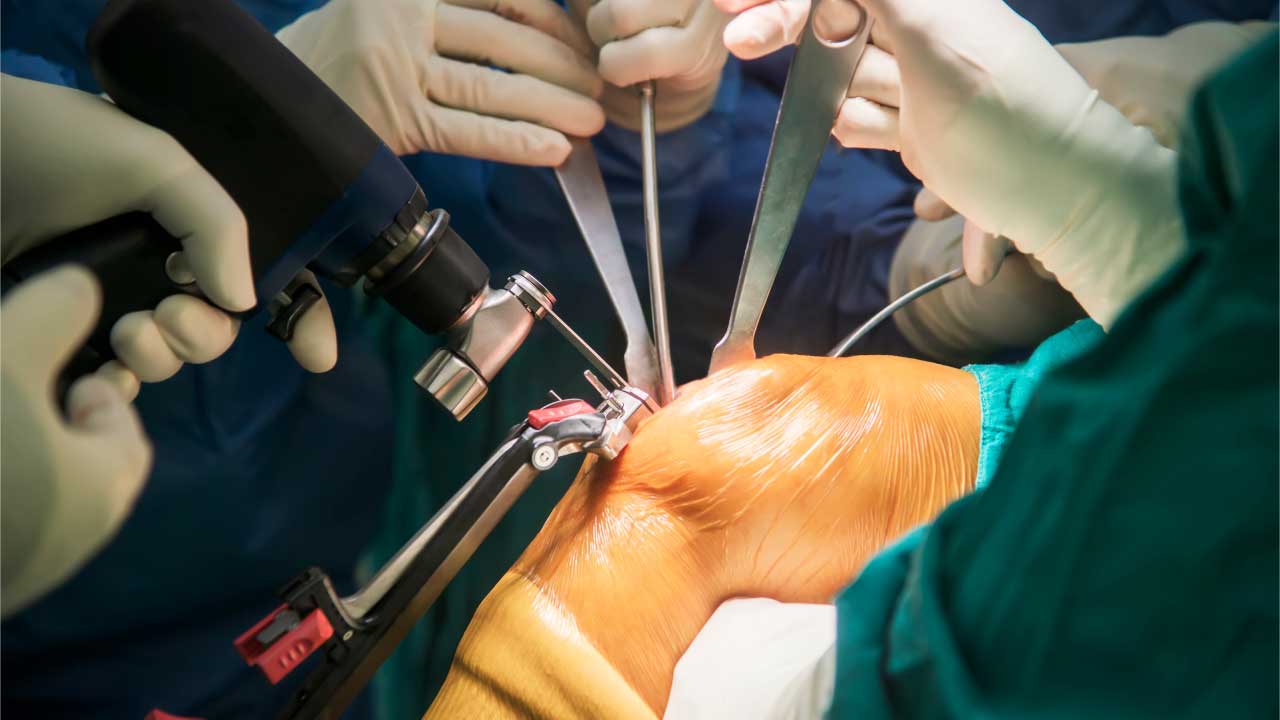
Modern surgical techniques often use minimally invasive arthroscopic methods for ligament reconstruction.
Importance Of Rehabilitation
Rehabilitation is crucial regardless of whether treatment is surgical or non-surgical. Physiotherapy helps restore strength, flexibility, and stability while preventing long-term complications such as joint stiffness or osteoarthritis.
A structured rehabilitation program may include:
- Muscle strengthening exercises
- Range-of-motion training
- Balance and stability exercises
- Gradual return to activity under supervision
Consistency in rehabilitation ensures better recovery outcomes.
Why Early Treatment Matters
Ignoring a PCL injury can lead to chronic knee instability, altered gait mechanics, and increased risk of cartilage damage or arthritis. Early intervention improves recovery, prevents complications, and helps maintain an active lifestyle.
Why Consult Dr. Rahul Jain
Dr. Rahul Jain specializes in advanced orthopedic evaluation and management of ligament injuries, including PCL injuries. With expertise in modern diagnostic techniques, minimally invasive surgical procedures, and comprehensive rehabilitation strategies, patients receive personalized care tailored to their needs.
If you experience knee pain, instability, or injury symptoms, timely consultation can help ensure accurate diagnosis, appropriate treatment, and long-term joint health.
Our Location
Find expert orthopedic care near you. Dr. Rahul Jain’s clinic is conveniently located to serve patients with advanced treatment, personalized attention, and compassionate care.