
The knee joint plays a vital role in supporting body weight and enabling movement such as walking, running, and bending. Because of its complex structure, the knee is vulnerable to injuries, especially during accidents or sports activities. One serious injury that requires immediate medical attention is a knee dislocation.
A knee dislocation occurs when the bones that form the knee joint move out of their normal position. This injury can damage ligaments, blood vessels, and nerves around the knee, making it a medical emergency in many cases.
Dr. Rahul Jain emphasizes the importance of recognizing the symptoms early and seeking prompt treatment. Understanding the warning signs of a knee dislocation can help prevent long-term complications and ensure faster recovery.
What Is A Knee Dislocation?
The knee joint is formed by the connection between three main bones: the femur (thigh bone), tibia (shin bone), and patella (kneecap). Strong ligaments hold these bones together and allow the knee to move smoothly.
A knee dislocation occurs when these bones are forced out of alignment due to a strong impact or trauma. This injury can disrupt the ligaments and may also affect nearby nerves and blood vessels.
Because of the risk of complications, a knee dislocation should always be treated as a medical emergency.
Common Causes Of Knee Dislocation
Knee dislocations usually occur due to significant trauma or sudden force applied to the joint.
Common causes include:
- Road traffic accidents
- Sports injuries such as football or basketball
- Severe falls or direct impact to the knee
- High-energy trauma during physical activities
- Twisting injuries combined with strong force
Although less common, knee dislocation may also occur during routine activities if the ligaments are already weak or damaged.
Symptoms Of Knee Dislocation You Should Not Ignore
Recognizing the symptoms of a knee dislocation is important for early treatment. Some symptoms may appear immediately after the injury.
- Severe knee pain
- Visible deformity or abnormal position of the knee
- Rapid swelling around the knee joint
- Difficulty or inability to move the knee
- Inability to bear weight on the affected leg
- Numbness or tingling in the lower leg or foot
- Cold or pale foot due to reduced blood flow
These symptoms indicate that the knee joint may have been seriously injured and require immediate medical attention.
Why Knee Dislocation Is A Medical Emergency
A knee dislocation can damage important structures around the joint, including blood vessels and nerves. One of the major concerns is injury to the popliteal artery, which supplies blood to the lower leg.
If blood flow is interrupted, it can lead to severe complications. Immediate evaluation and treatment are necessary to prevent permanent damage.
Prompt medical care improves the chances of preserving joint function and preventing long-term disability.
Diagnosis Of Knee Dislocation
Doctors perform a detailed physical examination to evaluate the knee and surrounding structures.
Diagnostic tests may include:
- X-rays to check bone alignment
- MRI scans to assess ligament injuries
- CT scans in complex injuries
- Doppler ultrasound to check blood flow in the leg
These tests help determine the severity of the injury and guide the treatment plan.
Treatment Options For Knee Dislocation
Treatment depends on the severity of the injury and whether surrounding structures are damaged.
Emergency realignment
The first step in treatment is usually repositioning the bones back into their normal alignment. This procedure is called reduction and is performed by a medical professional.
Surgery
In many cases, surgery may be required to repair damaged ligaments, blood vessels, or nerves around the knee.
Surgical treatment helps restore stability to the knee joint and improve long-term function.
Rehabilitation and physiotherapy
After treatment, rehabilitation is essential to regain strength and mobility in the knee.
Physiotherapy may include:
- Strengthening exercises
- Range of motion exercises
- Balance and stability training
- Gradual return to daily activities
Proper rehabilitation helps restore knee function and reduce the risk of future injuries.
Recovery After Knee Dislocation
Recovery time varies depending on the severity of the injury and the type of treatment performed.
Patients are generally advised to:
- Follow the doctor’s treatment plan carefully
- Attend physiotherapy sessions regularly
- Avoid excessive strain on the knee during recovery
- Use supportive braces if recommended
- Maintain a healthy lifestyle to support healing
With proper treatment and rehabilitation, many patients can regain good knee function.
When Should You Seek Medical Help?
Immediate medical attention is necessary if you experience:
- Severe knee pain after an injury
- Visible deformity of the knee joint
- Rapid swelling around the knee
- Inability to move or bear weight on the leg
- Numbness or cold sensation in the foot
Prompt evaluation by an orthopedic specialist can help prevent complications and improve recovery outcomes.
FAQs
Q: What causes a knee dislocation?
A: Knee dislocation is usually caused by severe trauma such as road accidents, sports injuries, or major falls that force the knee joint out of alignment.
Q: Is a knee dislocation different from a kneecap dislocation?
A: Yes. A knee dislocation involves displacement of the main bones of the knee joint, while a kneecap dislocation involves only the patella moving out of place.
Q: Is knee dislocation a medical emergency?
A: Yes. Knee dislocation can damage blood vessels and nerves around the joint, so immediate medical care is necessary.
Q: Can knee dislocation heal without surgery?
A: Some mild cases may be treated without surgery, but many cases require surgical repair of ligaments or other structures.
Q: How long does recovery take after a knee dislocation?
A: Recovery may take several months depending on the severity of the injury and the treatment performed.
Get Expert Care For Knee Injuries
Severe knee injuries should never be ignored. Early diagnosis and proper treatment can prevent long-term complications and help restore normal movement.
If you experience symptoms of a knee dislocation, consult Dr. Rahul Jain for expert evaluation and personalized orthopedic care to support your recovery.
Our Location
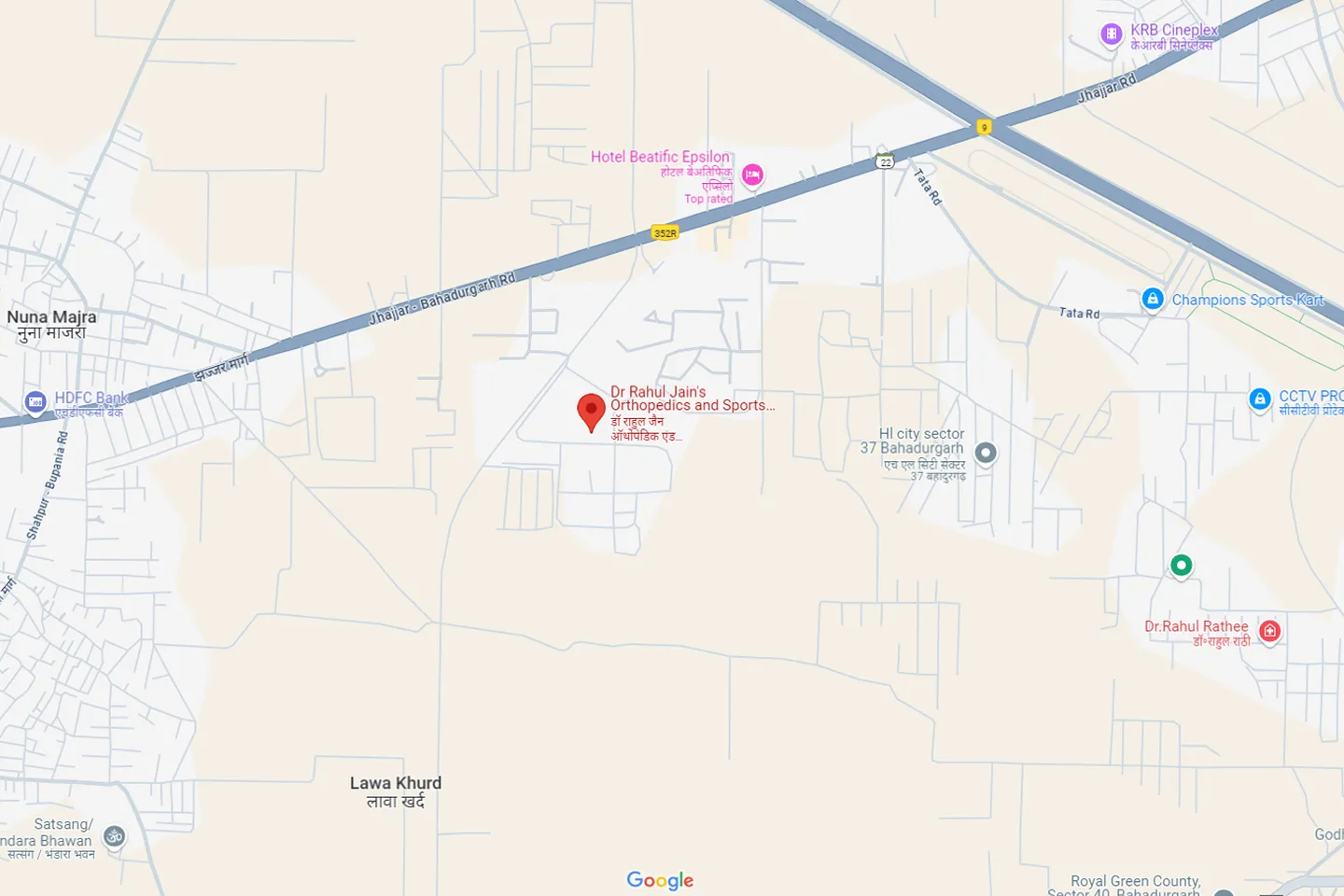
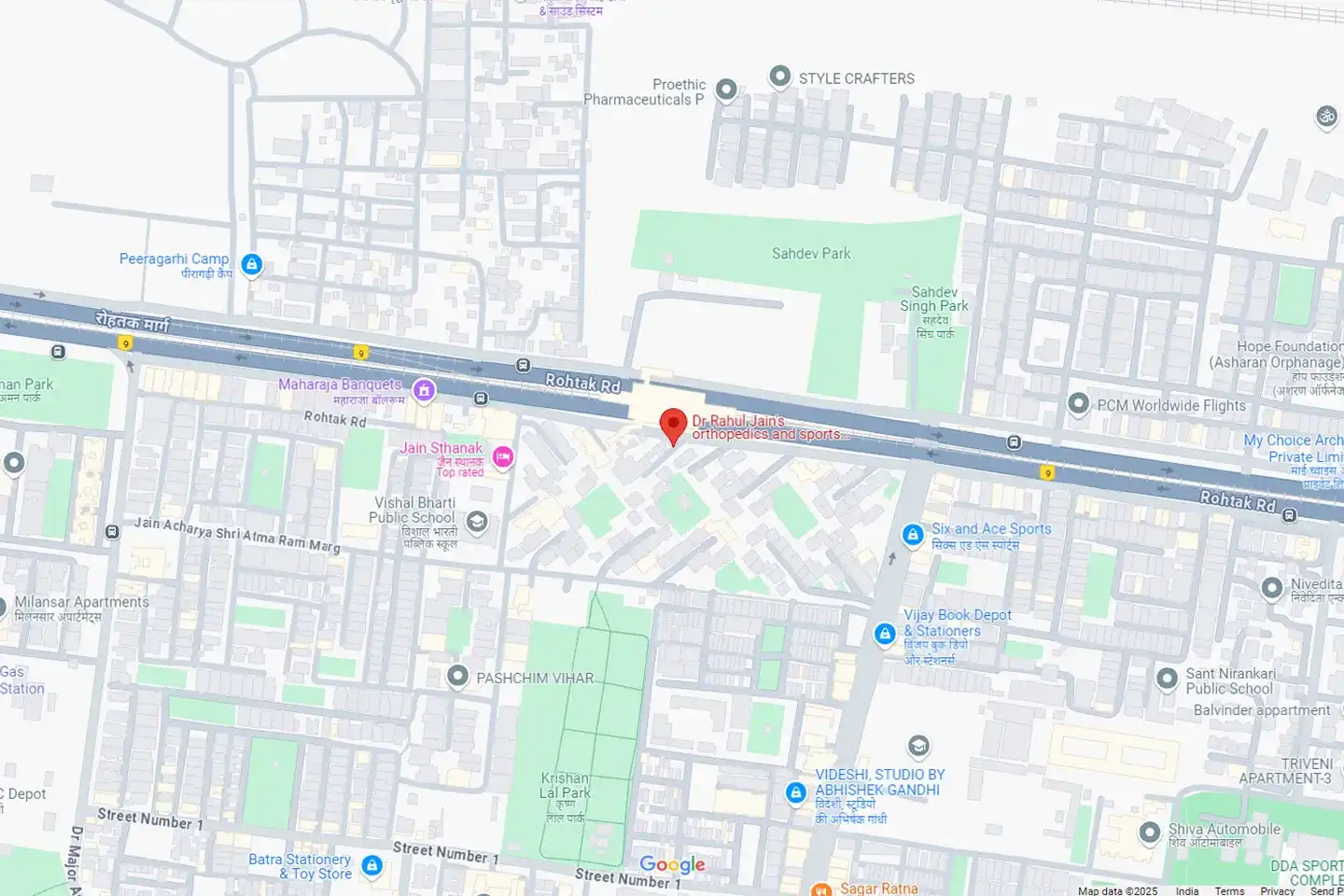
Find expert orthopedic care near you. Dr. Rahul Jain’s clinic is conveniently located to serve patients with advanced treatment, personalized attention, and compassionate care.