
Introduction
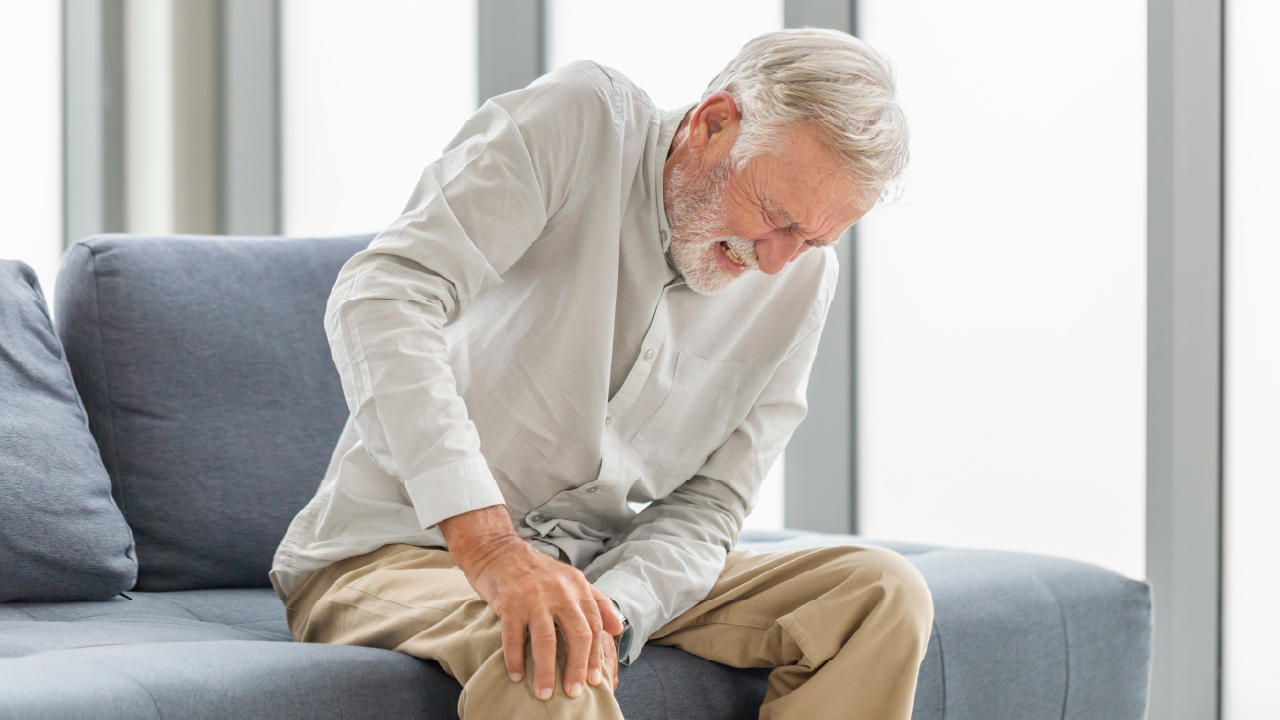
Many people notice that their knee pain worsens during cold or damp weather, and for some, the discomfort becomes almost unbearable. This phenomenon is particularly common among individuals with osteoarthritis, rheumatoid arthritis, or previous knee injuries. Understanding why cold weather affects knee pain can help you manage symptoms more effectively and stay active during winter months.
Dr. Rahul Jain explains the scientific reasons behind weather-related knee pain and shares practical strategies to reduce discomfort.
Why Cold Weather Affects Knee Pain
1. Changes in Barometric Pressure
Cold, damp weather is often accompanied by low barometric pressure. This pressure drop can cause tissues in the body to expand slightly, leading to increased pressure on nerves in the joints. For knees with arthritis or cartilage damage, this can heighten the sensation of pain.
2. Stiffness from Cold Temperatures
Cold temperatures cause muscles, tendons, and ligaments around the knee to contract and tighten, reducing flexibility. Stiff muscles can strain the joint, making movement painful.
3. Reduced Synovial Fluid Viscosity
Synovial fluid lubricates the knee joint, allowing smooth movement. In colder weather, this fluid can thicken slightly, reducing lubrication and increasing friction within the joint. This can lead to joint stiffness and discomfort.
4. Muscle Weakness and Reduced Activity
During winter, people tend to be less active, which can weaken muscles supporting the knees. Weak muscles provide less joint stability, increasing stress on cartilage and ligaments, which worsens pain.
5. Increased Sensitivity of Nerve Endings
Some studies suggest that cold weather can enhance the sensitivity of nerve endings in the joints, making them more reactive to pain stimuli.
Who Is Most Affected?
- People with Osteoarthritis: The most common reason for chronic knee pain in adults, worsened by cold and damp conditions.
- Individuals with Rheumatoid Arthritis: Autoimmune joint inflammation can be aggravated by temperature changes.
- Those with Prior Knee Injuries: Ligaments, menisci, or cartilage damage can make knees more vulnerable to weather changes.
- Older Adults: Age-related cartilage wear makes joints less resilient to environmental changes.
Practical Tips to Manage Knee Pain in Cold Weather
1. Keep Your Knees Warm
- Wear thermal leggings, knee sleeves, or warm clothing.
- Apply warm compresses to increase blood flow and reduce stiffness.
2. Stay Active
- Gentle exercises like walking, swimming, or cycling help maintain joint flexibility and muscle strength.
- Incorporate low-impact strength training to support knee joints.
3. Stretch Regularly
- Warm-up stretches for quadriceps, hamstrings, and calves increase flexibility and reduce stiffness.
- Yoga or Pilates can help maintain mobility during colder months.
4. Pain Relief Measures
- Over-the-counter anti-inflammatory medications can help reduce pain and swelling, if recommended by your doctor.
- Topical creams or gels may provide localized relief.
5. Maintain a Healthy Weight
Extra weight increases pressure on knee joints. Maintaining a healthy weight reduces stress on cartilage and alleviates pain.
6. Use Supportive Footwear
Shoes with proper cushioning and arch support help reduce knee strain, especially when walking on slippery or uneven surfaces.
FAQs About Cold Weather and Knee Pain
1. Does cold weather cause arthritis?
No, cold weather does not cause arthritis, but it can exacerbate pain and stiffness in joints already affected by arthritis.
2. Why does damp weather make my knees ache more?
Low barometric pressure and increased humidity can cause tissue expansion, making joints feel stiffer and more painful.
3. Can exercise help even if my knees hurt in winter?
Yes. Gentle, low-impact exercises strengthen muscles around the knee, improve blood circulation, and reduce stiffness.
4. Are hot compresses better than cold packs in winter?
For cold-induced stiffness, warm compresses are usually more effective, as they relax muscles and improve joint flexibility.
5. Should I see a doctor if knee pain worsens in winter?
Yes. Persistent or worsening pain, swelling, or reduced mobility should be evaluated by an orthopedic specialist to rule out underlying conditions.
Conclusion
Cold weather can intensify knee pain due to stiffness, reduced lubrication, and barometric pressure changes. Understanding these factors allows you to take preventive measures, such as keeping warm, staying active, and maintaining joint health. By adopting these strategies and seeking expert care when needed, you can minimize discomfort and maintain mobility throughout the winter.
If You Experience Persistent Knee Pain, Especially During Cold Weather, Schedule a Consultation With Dr. Rahul Jain. Expert Evaluation and Personalized Management Can Help You Stay Active, Comfortable, and Pain-Free.
Our Location
Find expert orthopedic care near you. Dr. Rahul Jain’s clinic is conveniently located to serve patients with advanced treatment, personalized attention, and compassionate care.