Introduction
An anterior cruciate ligament injury is one of the most common knee injuries, particularly among athletes and physically active individuals. However, ACL injuries are not limited to sports and can also occur during routine activities such as walking on uneven surfaces, sudden turns, or accidental falls. These injuries can significantly affect knee stability and daily functioning if not addressed promptly.
According to Dr. Rahul Jain, recognizing the early symptoms of an ACL injury is crucial to prevent further damage to the knee joint and reduce the risk of long-term complications.
What Is The ACL?
The anterior cruciate ligament is a strong band of tissue located inside the knee joint. It connects the thigh bone to the shin bone and plays a vital role in maintaining knee stability. The ACL helps control forward movement of the tibia and stabilizes the knee during twisting, pivoting, jumping, and sudden changes in direction.
Damage to this ligament can compromise knee stability and affect both daily activities and sports performance.
Common Causes Of ACL Injuries
ACL injuries typically occur due to sudden stress placed on the knee. Common causes include:
- Sudden twisting or pivoting movements
- Landing awkwardly after a jump
- Abrupt stopping or changing direction while running
- Direct impact to the knee
- Road traffic accidents or falls
Dr. Rahul Jain explains that even a partial tear of the ACL can cause significant instability and should not be ignored.
ACL Injury Symptoms You Should Not Ignore
Certain symptoms strongly suggest an ACL injury and require prompt medical evaluation. These include:
- A popping sound or sensation at the time of injury
- Immediate pain and swelling in the knee
- Difficulty bearing weight on the affected leg
- A feeling of knee instability or the knee giving way
- Reduced range of motion
- Persistent knee pain during activity
Swelling often appears within a few hours due to bleeding inside the knee joint, which is a typical sign of ligament injury.
Why Ignoring ACL Symptoms Can Be Harmful
Ignoring an ACL injury or delaying treatment can lead to several long-term problems, such as:
- Recurrent episodes of knee instability
- Damage to the meniscus and joint cartilage
- Early onset knee osteoarthritis
- Reduced sports and physical performance
- Chronic pain and functional limitations
Dr. Rahul Jain emphasizes that early diagnosis and timely intervention help preserve knee structure and function.
How Is An ACL Injury Diagnosed?
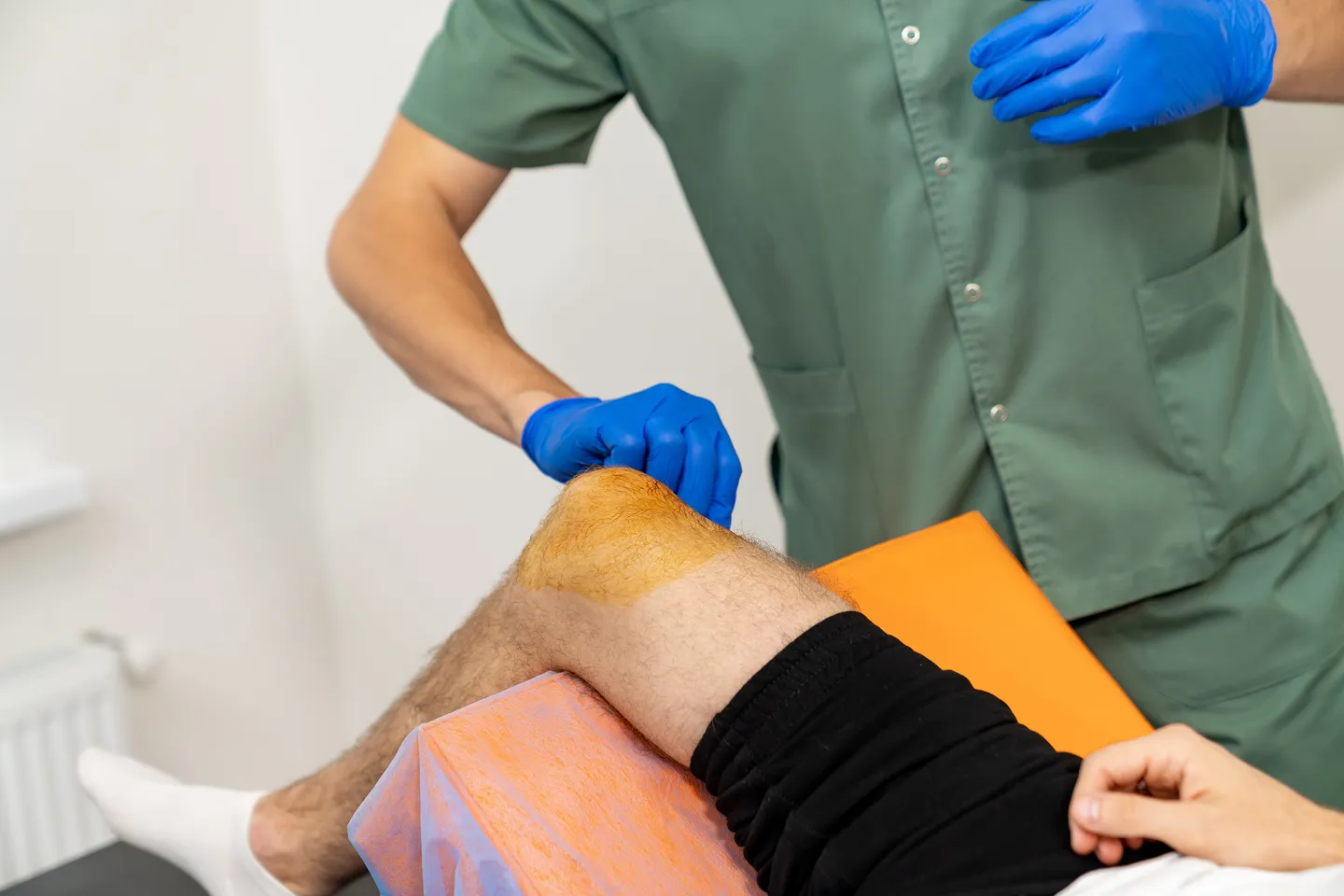
Diagnosis involves a combination of clinical assessment and imaging studies. This typically includes:
- Detailed clinical examination of the knee
- Specific physical tests to assess knee stability
- MRI scan to confirm ligament injury and detect associated damage
Early and accurate diagnosis helps determine the severity of the injury and guides appropriate treatment planning.
Treatment Options For ACL Injuries
Treatment depends on factors such as the extent of the tear, activity level, age, and individual goals.
Non-Surgical Treatment
Non-surgical management may be suitable for partial tears or individuals with low physical demands. It includes:
- Structured physiotherapy to improve strength and stability
- Activity modification
- Knee bracing in selected cases
Surgical Treatment
ACL reconstruction surgery is recommended in cases of:
- Complete ACL tears
- Persistent knee instability
- Active individuals and athletes
- Associated meniscus or cartilage injuries
Dr. Rahul Jain individualizes treatment plans to ensure optimal recovery and long-term knee function.
Recovery And Rehabilitation
Rehabilitation is a crucial part of recovery following an ACL injury, whether managed surgically or non-surgically. It focuses on:
- Gradual strengthening of the knee muscles
- Balance and coordination training
- Sport-specific rehabilitation when required
Most patients return to routine daily activities within a few weeks. Return to sports usually takes several months and depends on rehabilitation progress and knee stability.
When Should You See A Doctor?
You should consult Dr. Rahul Jain if you experience:
- Knee swelling after an injury
- Persistent knee pain or instability
- Difficulty walking, running, or climbing stairs
- Recurrent episodes of the knee giving way
Early consultation helps prevent further joint damage and improves recovery outcomes.
Frequently Asked Questions
Can I walk with a torn ACL?
Some individuals may be able to walk, but instability and risk of further injury remain high.
Does every ACL injury require surgery?
No. Treatment depends on the severity of the tear, activity level, and functional needs.
How long does recovery from an ACL injury take?
Recovery may take several months, especially after surgical reconstruction.
Conclusion
ACL injuries can significantly affect knee stability and long-term joint health if ignored. Early recognition of symptoms, accurate diagnosis, and appropriate treatment are essential for optimal recovery.
Dr. Rahul Jain stresses that prompt evaluation and personalized care play a key role in restoring knee function and enabling a safe return to activity.
If you are experiencing knee pain, swelling, or instability after an injury, consult Dr. Rahul Jain for expert evaluation and treatment of ACL injuries. Early care can prevent long-term knee problems and help you regain confidence in movement.
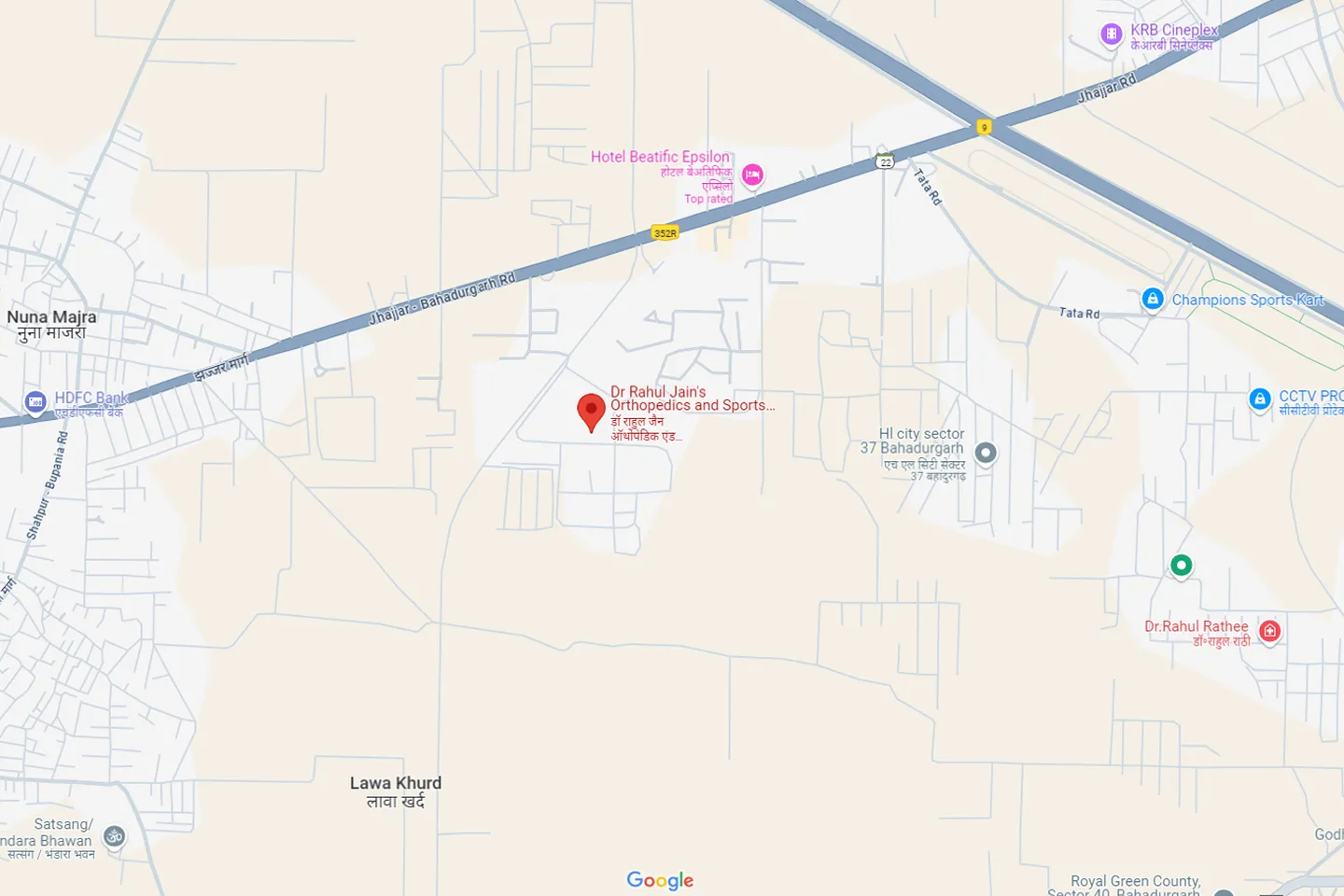
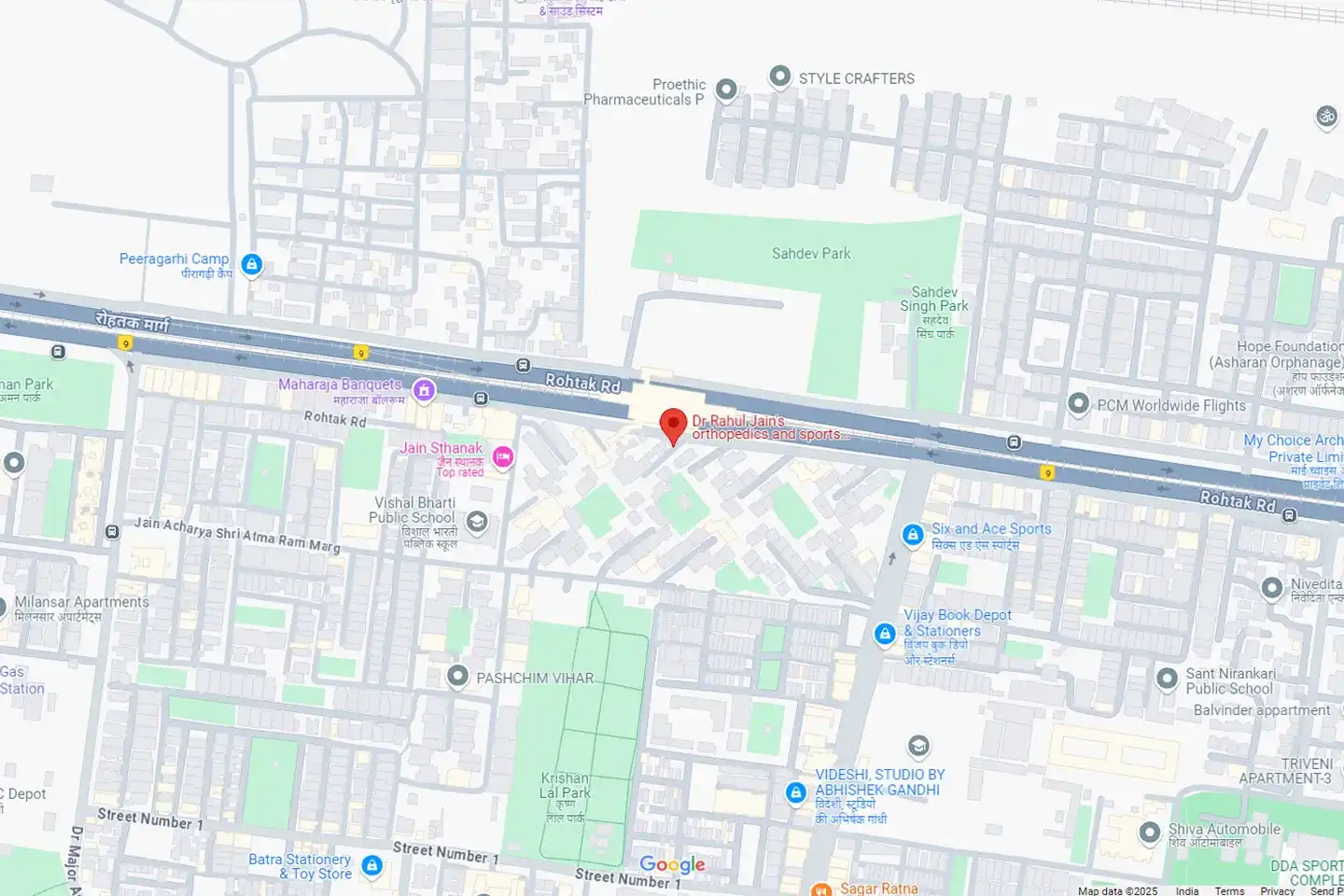
Our Location
Find expert orthopedic care near you. Dr. Rahul Jain’s clinic is conveniently located to serve patients with advanced treatment, personalized attention, and compassionate care.